
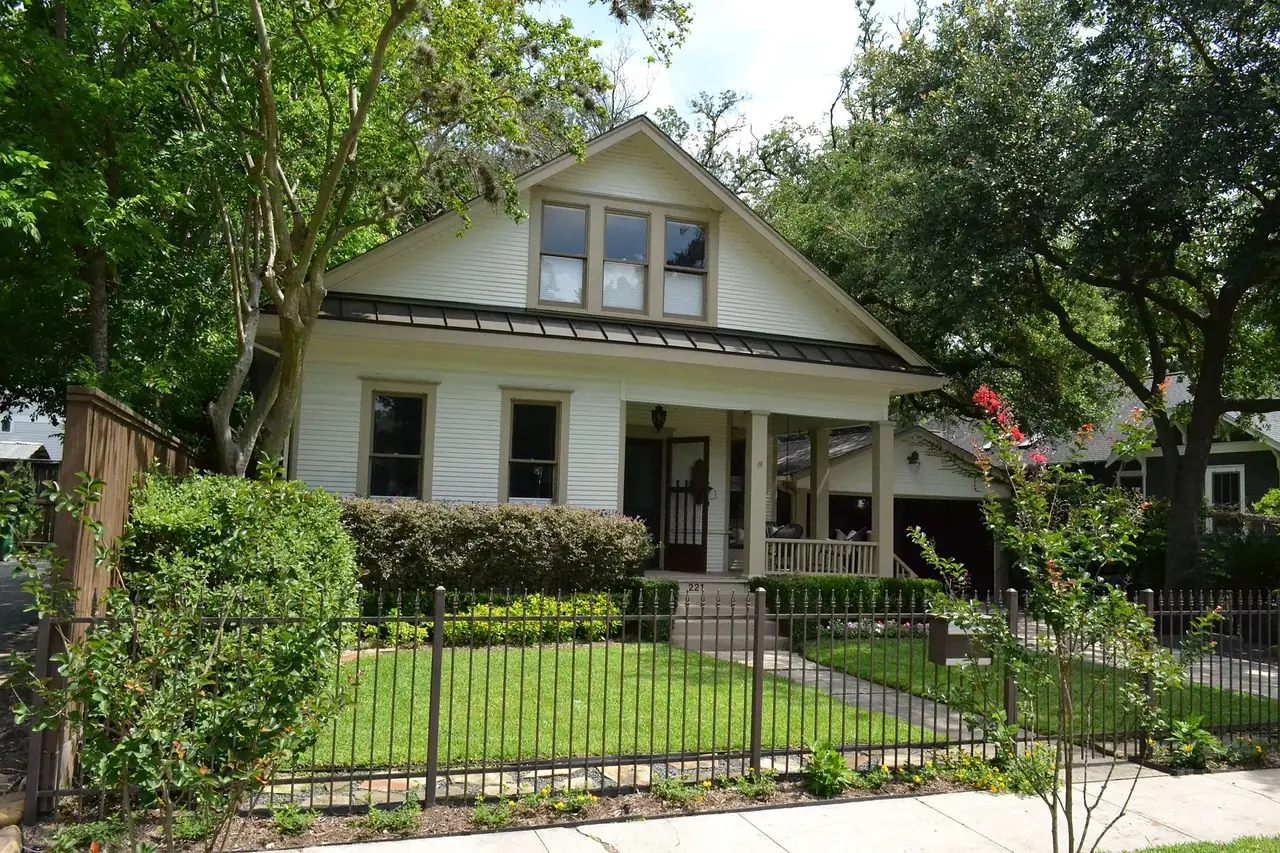

An unsold house is a puzzle, not a verdict
When your home sits on the market for weeks and nothing happens, it is easy to take it personally. Do not. A house that does not sell almost always has a specific, fixable reason behind it, and once you find it you can decide what to do next from a position of information instead of frustration. In a market as large and varied as Houston, the cause is rarely a mystery once you know where to look. Here are the real ones, in roughly the order they bite.
The price was wrong for the condition
This is the number one reason, full stop. Price and condition are two ends of the same lever. If a home is priced like it is updated when it still has the original kitchen and a roof at the end of its life, buyers feel the mismatch the moment they walk in, and they keep walking. Houston buyers are comparison shoppers with every nearby sale a tap away on their phone. If three similar homes down the street sold for less, yours sits.
The tell is showings with no offers. If people are coming through but no one writes, the market is telling you the number is too high for what they are seeing. The fix is either a price that matches the condition or improvements that justify the price, and which one makes sense depends entirely on your timeline and budget.

The photos and first impression fell flat
Most Houston buyers decide whether to even visit your home from the listing photos, in the first few seconds, on a screen. Dark, cluttered, or phone-snapped photos quietly kill a listing before anyone schedules a showing. So does a description that reads like a county record instead of a reason to come see it. If your view count was low and showings were rare, the problem may not be the house at all, it may be that the listing never gave buyers a reason to walk through the door.
Condition scared buyers off
Retail buyers want move-in ready, and most are using a mortgage, which means their lender gets a vote. Visible issues like a worn roof, foundation movement, an old electrical panel, or signs of past water damage do more than turn off buyers emotionally. They can stop a loan cold. An FHA or VA appraiser will flag conditions a conventional appraiser might let slide, so a home that needs work can lose the very buyers most likely to want it. If your house needs repairs you cannot or do not want to make, that narrows your buyer pool to investors and cash buyers, and that changes the whole strategy. Our guide on selling a house that needs repairs walks through it.
A buyer's financing fell apart
Sometimes the house did sell, on paper, and then the deal collapsed. Financed offers fall through more than people realize: the buyer's loan does not get final approval, the appraisal comes in under the contract price, or the inspection turns up something that spooks the lender or the buyer. In Houston, flood history and insurance are a recurring culprit. A home in or near a flood zone can be harder to insure and harder to finance, and a buyer who cannot get affordable coverage often cannot close. If your sale died at the financing or appraisal stage, the house was fine. The buyer's loan was the weak link, and a cash buyer removes that link entirely.
Timing and days on market worked against you
Houston has slow stretches and busy ones, and a listing that launches into a soft patch or competes against a flood of similar inventory gets less attention. There is also a quiet penalty for sitting too long: once a home racks up a high day count, buyers assume something is wrong with it and start lowballing or skipping it, even after a price cut. A stale listing sometimes needs a genuine reset, not just a small adjustment, to shake off that stigma.
So what do you do now?
Start by being honest about which of these actually applied to your listing, because the fix follows the cause. A pricing or photo problem can be solved by relisting the right way. A condition or financing problem often points toward a cash or investor sale that skips the appraisal and the repair list altogether. If you would rather not roll the dice on the open market again, you can get a cash offer or let buyers compete through our multiple-offer process, and we will lay that next to a fresh listing estimate so you can compare both. If your listing has already expired, our guide on selling after an expired listing covers the relist-or-sell-now decision in detail.
Frequently Asked Questions
Is it always the price when a house doesn't sell?
Price is the most common reason, but not the only one. Price and condition work together, so a home can be priced fairly for an updated house and still sit because it actually needs work. Weak photos, a flood-zone hurdle, or a financed buyer who fell through can all stall a sale on their own. The pattern of your showings and offers usually points to the real cause.
How long is too long on the market in Houston?
There is no single magic number because it shifts with the season and the neighborhood. The more useful signal is the trend: lots of showings but no offers usually means the price is high for the condition, while almost no showings usually means the listing itself, the photos, the price, or both, never pulled buyers in. Once a listing sits well past the local norm, buyers start assuming something is wrong, and that is its own problem to solve.
Can I sell a house that already failed to sell once?
Absolutely. A home that did not sell the first time is not damaged goods, it just had a fixable problem. Depending on the cause, that might mean relisting with a sharper price and better marketing, or selling to a cash buyer who does not need an appraisal or repairs. Plenty of homes that sat for months sell quickly once the actual issue is addressed.
Will a cash sale work if my home needs repairs or has flood history?
Often yes. Cash buyers and investors buy homes as-is, price the repairs into their offer, and do not rely on a lender or an appraisal, which removes the exact hurdles that sink financed deals on homes with repair needs or flood history. Texas still requires you to disclose what you know about the property, but you are not required to fix anything before selling.