
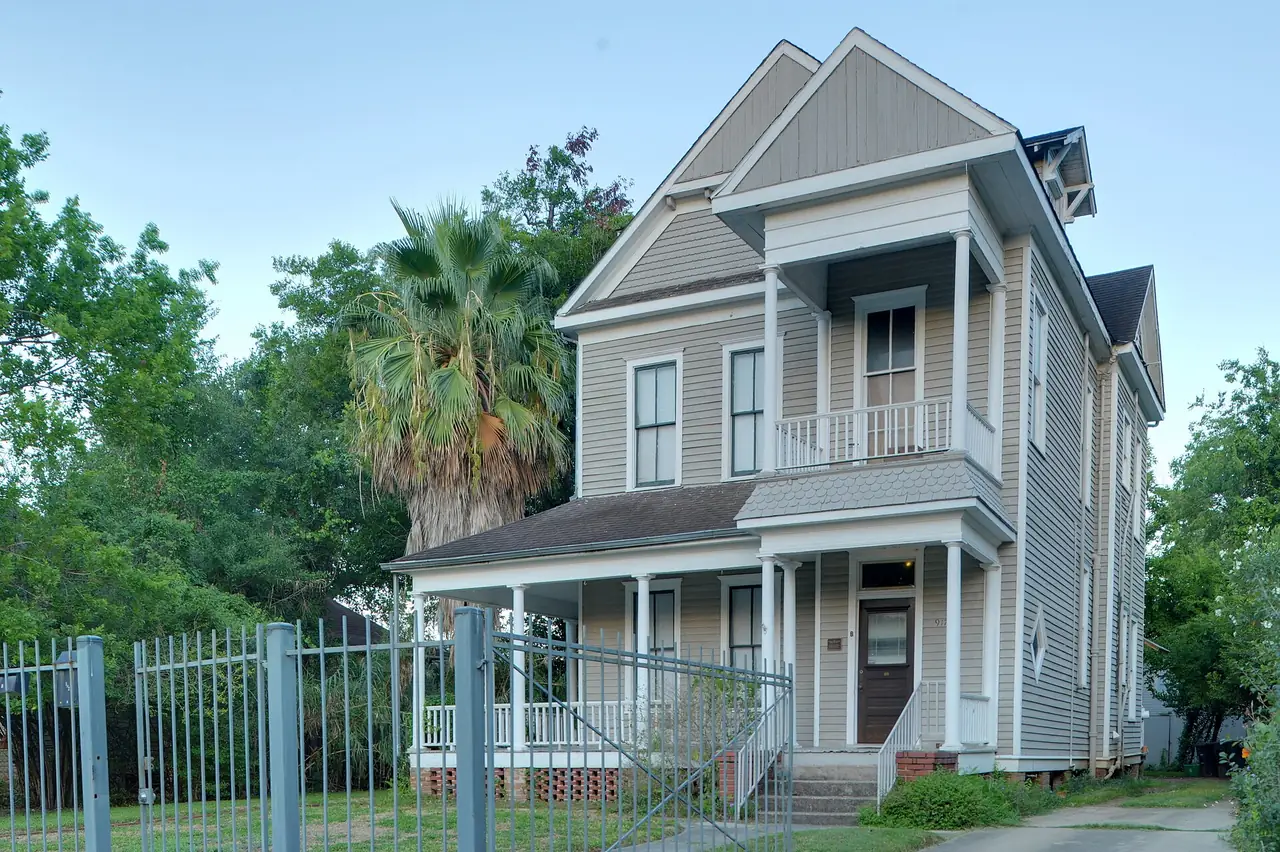

An empty house is never actually free to keep
People assume a vacant property is harmless while they figure out what to do with it. It isn't. Every month it sits empty, it quietly drains money, and a few of those costs are bigger than owners expect, especially in Houston. If you're weighing whether to hold or sell, the first thing to understand is exactly what an empty house is costing you to keep. This guide is the money side of the decision. If you want the how-to on actually selling an empty home, see our companion guide on selling a vacant house in Houston.

Your insurance may not cover an empty house
This is the cost almost nobody sees coming. Most standard homeowner's policies limit or drop coverage once a home sits vacant for a stretch, often somewhere around 30 to 60 days, because an unoccupied house is a bigger risk to the insurer. If something happens while the policy considers it vacant, a claim can be denied. To stay covered you typically need a vacant-home or unoccupied-dwelling policy, which costs noticeably more than your normal coverage. Check your policy language and call your agent before you assume you're protected, because finding out after a pipe bursts is the worst way to learn this.
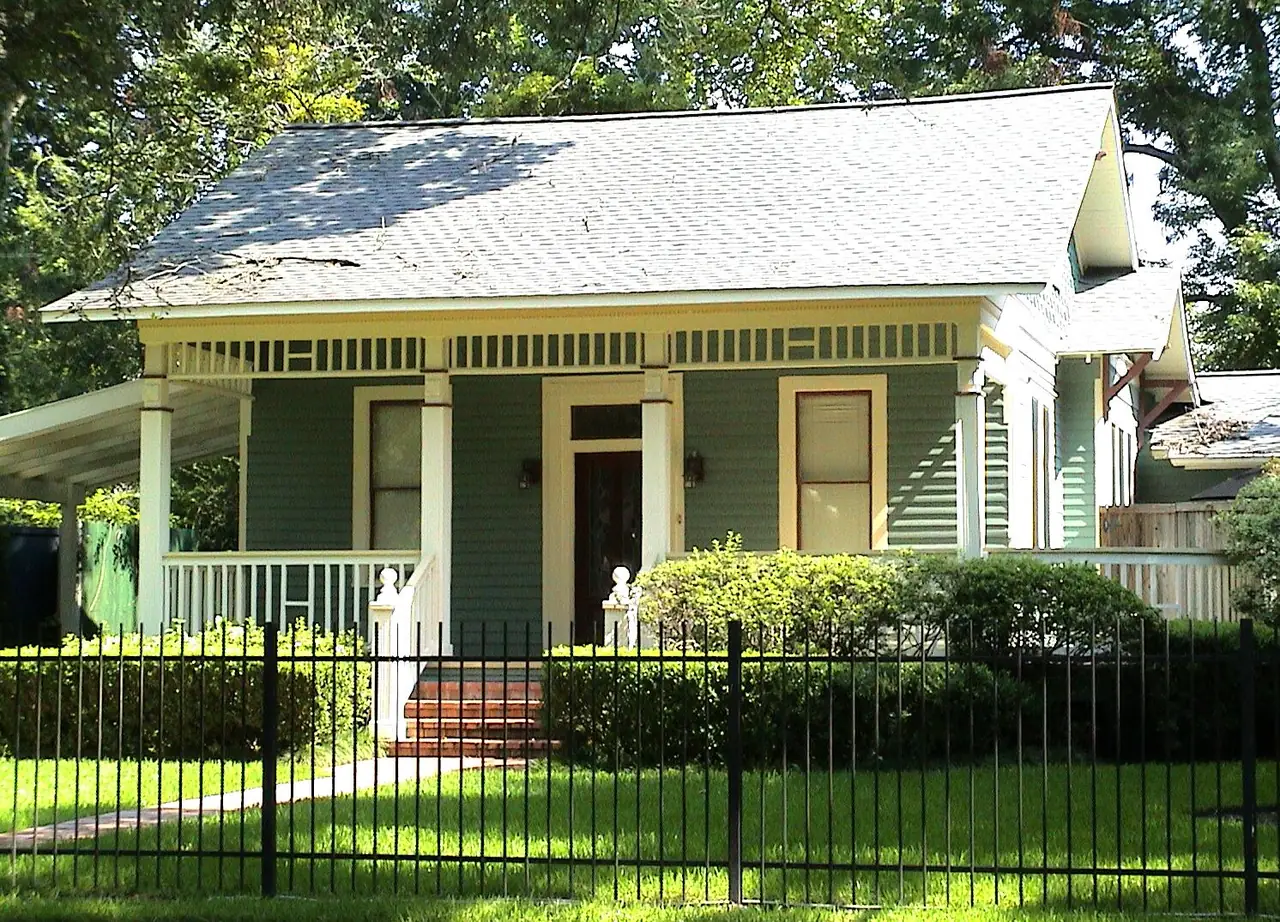
The bills that don't stop when the people leave
The house being empty doesn't pause the carrying costs. Harris County property taxes keep accruing whether or not anyone lives there, and Houston's tax bills are not small. If you still owe on the home, the mortgage payment is due every month with nobody helping cover it. You'll want to keep basic utilities and the AC running so humidity doesn't breed mold or warp the floors. The lawn still has to be mowed so the city and the neighbors don't come knocking. And if the property sits in an HOA, those dues keep running too. Stack those together and a vacant house can cost a meaningful sum every single month it waits.
Empty houses attract the wrong attention
Beyond the bills, a vacant property carries risk that's hard to put a number on until it happens to you. Houses that obviously sit empty are targets. Copper theft from AC units and plumbing is a real and common problem in Houston, and the damage to rip it out often costs far more than the metal was worth. Vacant homes also draw vandalism, break-ins, and in some cases squatters, and removing unauthorized occupants in Texas can mean a slow, costly legal process rather than a quick call to the police. The longer a place stays visibly empty, the more these odds climb.
When the bleed makes a quick sale the smart move
Add it all up, vacant insurance, taxes, mortgage, utilities, lawn care, HOA, plus the risk of a theft or a squatter, and holding an empty property gets expensive fast. At some point the carrying costs eat any extra you might gain by waiting for a perfect retail buyer. That's the math that pushes a lot of owners toward an as-is sale: you stop the monthly bleed now, skip repairs and showings, and close on your timeline. A cash buyer takes the property in its current condition, which means you're not pouring more money into a house you're trying to get rid of.
Still, fast isn't automatically right. If the property is in good shape and the monthly carry is manageable, listing it may still net more after you account for everything. The only honest way to decide is to weigh your real net on each path against what every extra month of holding actually costs you. You can get a fast cash offer, compare several offers side by side, or list it for top dollar, and we'll lay the numbers out straight so you can choose.
Frequently Asked Questions
Does my homeowner's insurance still cover a vacant house?
Often not fully. Many standard policies reduce or void coverage once a home is vacant for roughly 30 to 60 days. You usually need a separate vacant-home policy, which costs more. Read your policy and confirm with your agent before assuming you're covered.
What does it actually cost to hold an empty house in Houston?
It varies by property, but the running costs typically include Harris County property taxes, any mortgage payment, utilities and AC to prevent mold, lawn care, HOA dues if applicable, and pricier vacant-home insurance. Together they can add up to a meaningful monthly figure, which is why owners often want it sold.
Are vacant houses really at higher risk for theft or squatters?
Yes. Empty homes in Houston are common targets for copper and AC theft, vandalism, and break-ins, and removing squatters can turn into a slow legal process. The repair bill from theft often dwarfs the value of what's taken. The risk grows the longer the house sits visibly empty.
Is it faster to sell a vacant property as-is?
Usually. With no one living there and a cash buyer who takes it in current condition, a sale can often close in a couple of weeks with no cleanout or repairs. That stops the monthly carrying costs quickly. If the home shows well and you have time, a listing may net more, so it's worth comparing both.