


The house is the hardest decision, so start here
When a marriage ends, the home is usually the single largest asset on the table and the most loaded one. It's where the kids grew up, it's tied to both your credit, and it forces a decision neither of you may be ready to make. Before you can talk about how to sell, you have to decide whether to sell at all, and that's what this page is for.
This is a calm walkthrough of your real options, not legal advice. The decree and your family-law attorney decide how things actually get divided. Once you've picked a direction, the next page covers the mechanics, who signs, how proceeds get split at closing, and timing. You'll find that at selling the house during a divorce.

How Texas community property works
Texas is a community property state, and that one fact shapes almost everything about the house. Here's the plain version:
- A home bought during the marriage is generally community property, owned by both spouses, no matter whose name is on the deed or the mortgage.
- Community property is divided in a way the court considers "just and right," which often lands near 50/50 but isn't a guarantee. Judges can weigh factors like income and who's caring for the kids.
- A home one spouse owned before the marriage, or received during it as a gift or inheritance, is usually separate property and may not be split at all, though it can get complicated if marital money paid the mortgage or improvements.
- Your divorce decree can set any division both sides agree to, the default rules are just the starting point.
That last point matters most: you two have a lot of room to decide for yourselves. The rules above are the fallback if you don't agree, not a sentence handed down. Your attorney confirms how they apply to your home.
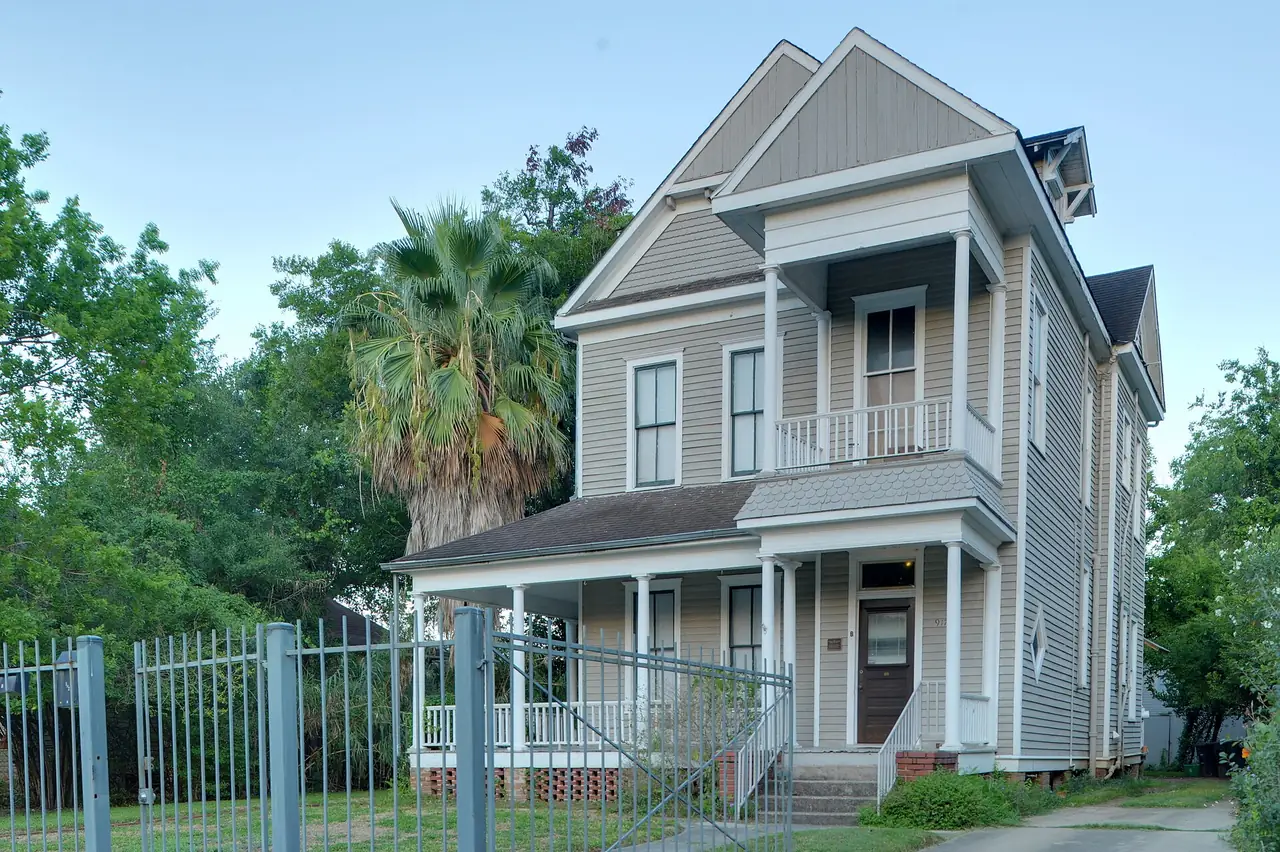
Your three real options
Almost every divorcing couple lands on one of these three. There's no universally right choice, only the one that fits your finances and your family.
- One spouse buys out the other. One of you keeps the house and refinances the mortgage into your own name alone, then pays the other their share of the equity. Upside: stability, especially if kids are staying put. The catch: you have to qualify for the new loan on one income, and you're taking on the maintenance and payments solo. Run the numbers honestly before you commit, a lot of buyouts look doable until the refinance math gets real.
- Sell and split the proceeds. You sell the home, pay off the mortgage, and divide the net per your agreement. This is the clean break, neither of you stays financially tied to the other, and both of you walk away with cash to start over. It's the most common choice for exactly that reason.
- Defer the sale. One spouse keeps living in the home until a set trigger (the kids finish school, a certain date, a remarriage). Then you sell and split. It protects the children's stability, but it keeps you two financially entangled for years and leaves open who pays for the roof when it goes. It works for some families and quietly causes problems for others.
If you land on selling, the next question is cash versus listing and how the money flows, which we walk through on the divorce sale mechanics page.
What if one spouse refuses to sell
It's the standoff people dread most, and there's a real answer. If you co-own the home and one spouse won't cooperate with a sale, a Texas court can order the property divided as part of the divorce, and in some cases force a sale, so one party can't hold the house hostage forever. But court intervention is slow and expensive. It eats into the very equity you're fighting over, and it's nobody's first choice.
The better path, when it's possible, is reaching an agreement both of you can live with so the court just ratifies it instead of imposing one. A fast, fair sale that both sides understand often defuses the standoff, because once the numbers are clear and transparent, the fight usually shrinks. That's where a straightforward valuation helps. We can show you what the home would realistically bring across a cash sale, a competitive bid, or a full listing, so both of you are working from the same honest number. We're one option, presented plainly, and we don't take sides between spouses.
Protecting your equity and your credit
A couple of things quietly cost divorcing couples money, and they're worth knowing early:
- Don't let the mortgage go unpaid during the fight. A missed payment dings both spouses' credit, and a deep enough fall can drift toward foreclosure, which is a far worse problem than the divorce. If payments are slipping, get ahead of it, our guide for falling behind on payments lays out the options.
- A buyout only protects the leaving spouse if the loan is actually refinanced. Until your name comes off the mortgage, you're still on the hook to the lender even if the decree says it's their house now. Make the refinance a condition, not a promise.
- Get a real number before you negotiate. Most divorce fights about the house are really fights about whether someone's getting shortchanged. An honest valuation takes the guessing out.
Frequently Asked Questions
Does Texas split the house exactly 50/50 in a divorce?
Not automatically. Texas divides community property in a way the court considers just and right, which often lands near an even split but can shift based on factors like income and child custody. You and your spouse can also agree to any division you both accept, the decree controls. Your family-law attorney can tell you what's realistic for your situation.
What happens if my spouse won't agree to sell the house?
A Texas court can divide co-owned property as part of the divorce and, in some cases, order it sold, so one spouse can't block a sale indefinitely. But going to court for it is slow and expensive and eats into your equity. Reaching a fair agreement both sides accept is almost always faster and cheaper. An honest valuation often helps break the deadlock.
Should one of us buy the other out or just sell?
It depends on whether keeping the home actually works financially. A buyout offers stability but requires qualifying for a refinance on one income and carrying the costs alone. Selling and splitting gives both of you a clean break and cash to start over. Run the buyout math carefully before assuming it's affordable, and have your attorney review whichever path you choose.
Is the house separate property if I owned it before we married?
Often yes, a home owned before the marriage is usually separate property and may not be subject to division. But it can get complicated if community money paid the mortgage or funded improvements, which can create a reimbursement claim. This is exactly the kind of question to put to a family-law attorney rather than guess at.