
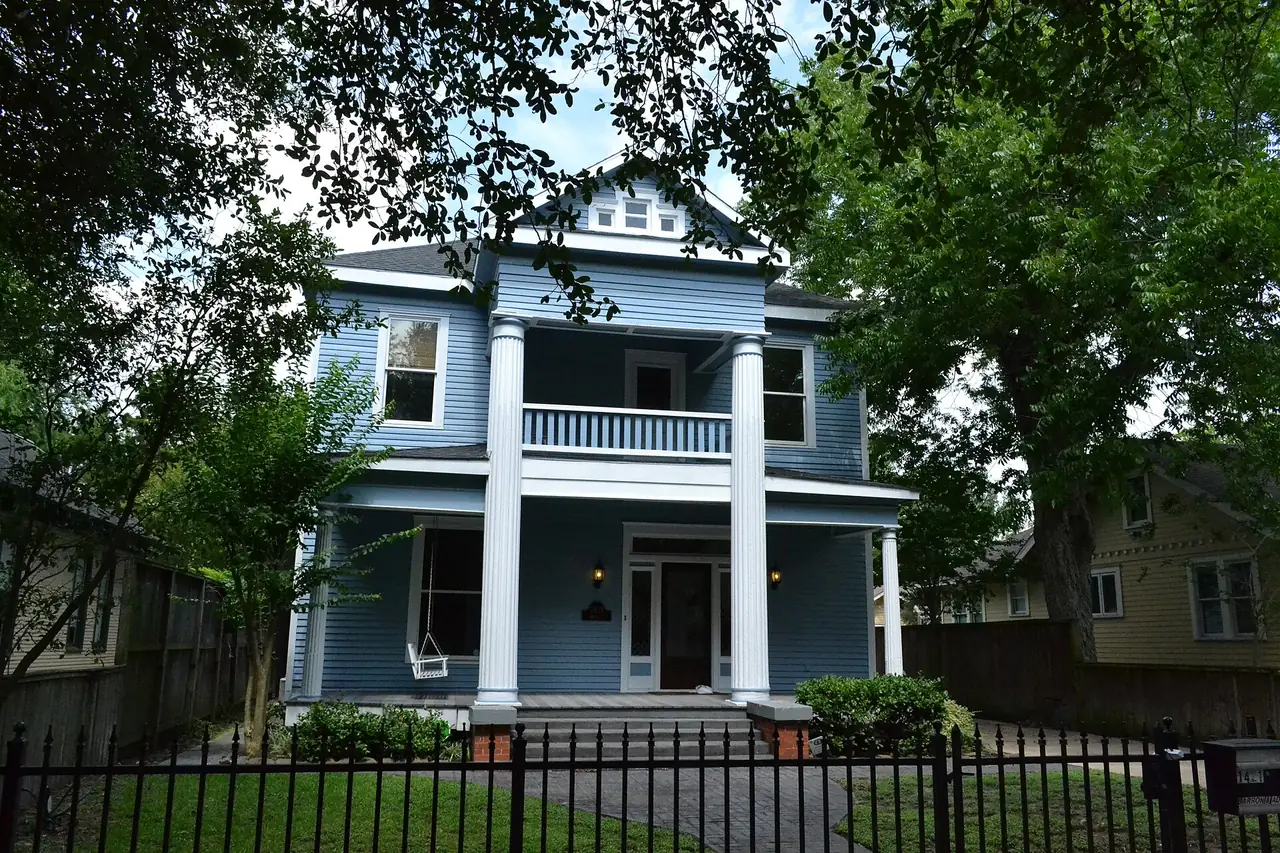

Houston has no zoning, but it still requires permits
Yes, you can sell a Houston house with unpermitted work, and no, you don't have to tear it out first. People assume that because Houston is famously zoning-free, anything goes. Not quite. The city has no zoning, but the City of Houston still requires building permits for additions, conversions, electrical, plumbing, and structural work. So when a previous owner finished out the garage, added a room, or enclosed the patio without pulling a permit, that work is real, it's there, and it shows up the moment you try to sell to a financed buyer.
If that's your situation, you have options, and none of them require you to undo the work. But you do need to understand how unpermitted work moves through a sale, because it hits the appraisal and the buyer's lender in a specific way that catches sellers off guard.
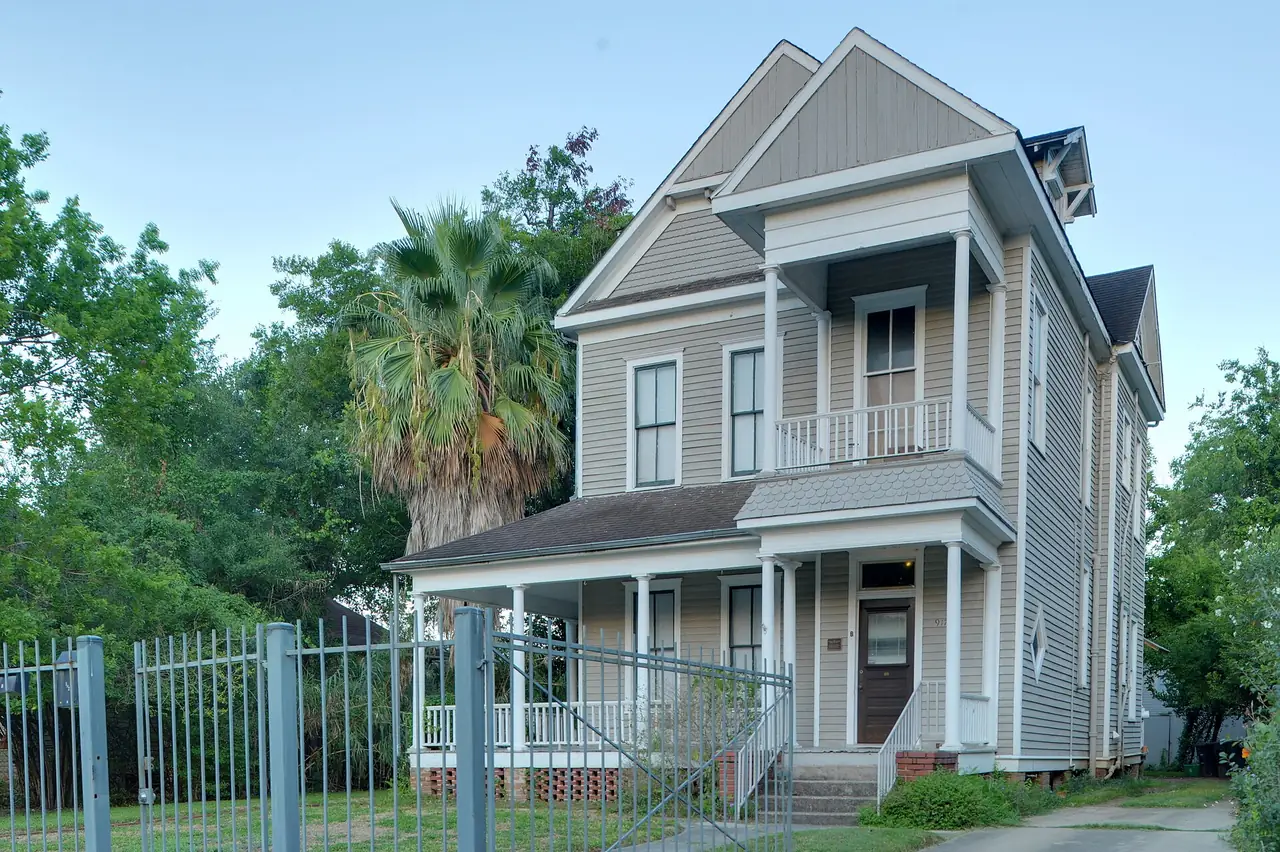
Why unpermitted work trips up a financed sale
The damage usually isn't the work itself. It's that the county and the lender don't recognize it. Here's how it plays out in Houston:
- HCAD doesn't count it. If the Harris County Appraisal District has no record of the added square footage, the appraiser often won't credit it either. So that converted garage or extra bedroom may add zero value on paper, even though it's livable space.
- The appraisal comes in low. When the appraiser can't count the space, the home appraises for less than the agreed price, and a financed deal can collapse or force a renegotiation.
- The lender gets nervous. Some lenders won't fund a home with significant unpermitted additions, especially if the work looks structural or unsafe.
- The buyer worries about liability. A cautious retail buyer doesn't want to inherit work that might not meet code, or a future fight with the city.
Common culprits we see around Houston: garage conversions into living space, enclosed patios and carports, a bedroom or bathroom added without a permit, a backyard guest suite, and electrical or plumbing run by a previous owner without inspection. Any of these can quietly knock a financed deal off the rails, which is exactly why cash buyers and investors are often the smoother path. They evaluate the home as it stands and don't depend on an appraiser crediting the square footage.

The mistake that costs Houston sellers
Rushing to pull after-the-fact permits right before listing, without understanding what that process actually involves. Getting work permitted retroactively in Houston means opening the work back up for inspection, possibly tearing into finished walls, and bringing everything to current code, which can mean rewiring, re-plumbing, or structural changes. It can take weeks or months, the outcome isn't guaranteed, and the cost varies wildly depending on how the original work was done. Sometimes it's worth it. Often it's faster and cheaper to sell as-is to a buyer who's comfortable with the condition.
Before you commit to either road, find out what each path nets you. Our guide on selling as-is versus fixing first helps you weigh the time and money against the likely return. And if the unpermitted work has already drawn a notice from the city, our guide on selling a house with code violations covers that head-on.
Your real options for selling with unpermitted work in Houston
The right move depends on what was done, your timeline, and what you want out of the sale. The paths worth comparing:
- Sell as-is for cash. A cash buyer takes the home with the unpermitted work exactly as it is, no retroactive permits, no inspections, no showings, and closes on your schedule. See a fast cash offer, or read how selling as-is in Houston works.
- Let buyers compete. Investors deal with unpermitted work all the time and often pay more than a single lowball. We bring several to the table so they compete for your home.
- Permit it, then list retail. If your timeline allows and the work is sound, pursuing after-the-fact permits and listing on the MLS can net the most. We'll be honest about whether the time and cost are worth it. Here's how we list a Houston home.
- Get the right pros involved. Sorting out permits usually means a licensed contractor and a call to the City of Houston permitting office, and a title company to keep the closing clean. Our vendor directory has Houston pros we trust.
Frequently Asked Questions
Do I have to disclose unpermitted work when I sell in Texas?
Yes. The Texas Seller's Disclosure Notice asks about additions, alterations, and repairs made without the required permits or not in compliance with building codes, and you're required to disclose what you know. You are not required to obtain permits or undo the work before selling. Selling as-is and disclosing honestly is legal. Concealing known unpermitted work is what creates real liability.
Can I really sell my Houston house as-is with unpermitted work?
Yes. We work with local buyers who purchase homes with garage conversions, added rooms, and other unpermitted work regularly. No retroactive permits, no city inspections, and no passing a traditional buyer's inspection. They factor it into the offer and close.
Should I get an after-the-fact permit before selling?
Sometimes, but not always. Retroactive permitting in Houston can require opening up finished work, bringing it to current code, and passing inspection, which takes time and has no guaranteed outcome. For many sellers it's faster and cheaper to sell as-is. We can talk through which makes more sense for your home before you spend anything, and complex permit questions are worth running by the city or a licensed contractor.
How much does unpermitted work knock off my price?
It depends on what was done and whether a buyer needs financing. Sound, attractive unpermitted space can hold most of its value with a cash buyer, while a financed sale may lose the appraised value of square footage the county doesn't recognize. The only way to know your real range is to have someone look, which we'll do at no cost.
Why a local Houston team matters here
We're a local, family-owned Houston company, not an out-of-town call center with a single lowball number. We know how the city's permitting works, why HCAD square footage matters at appraisal, which buyers actually close on homes with unpermitted additions, and when chasing permits is worth it versus when it just burns time. Maxwell Buffamante, a licensed Texas REALTOR with eXp Realty, LLC, sits down with you, runs every path honestly, and lets you choose. If the unpermitted work is one of several issues, our guide on selling a house that needs repairs covers the full picture.