
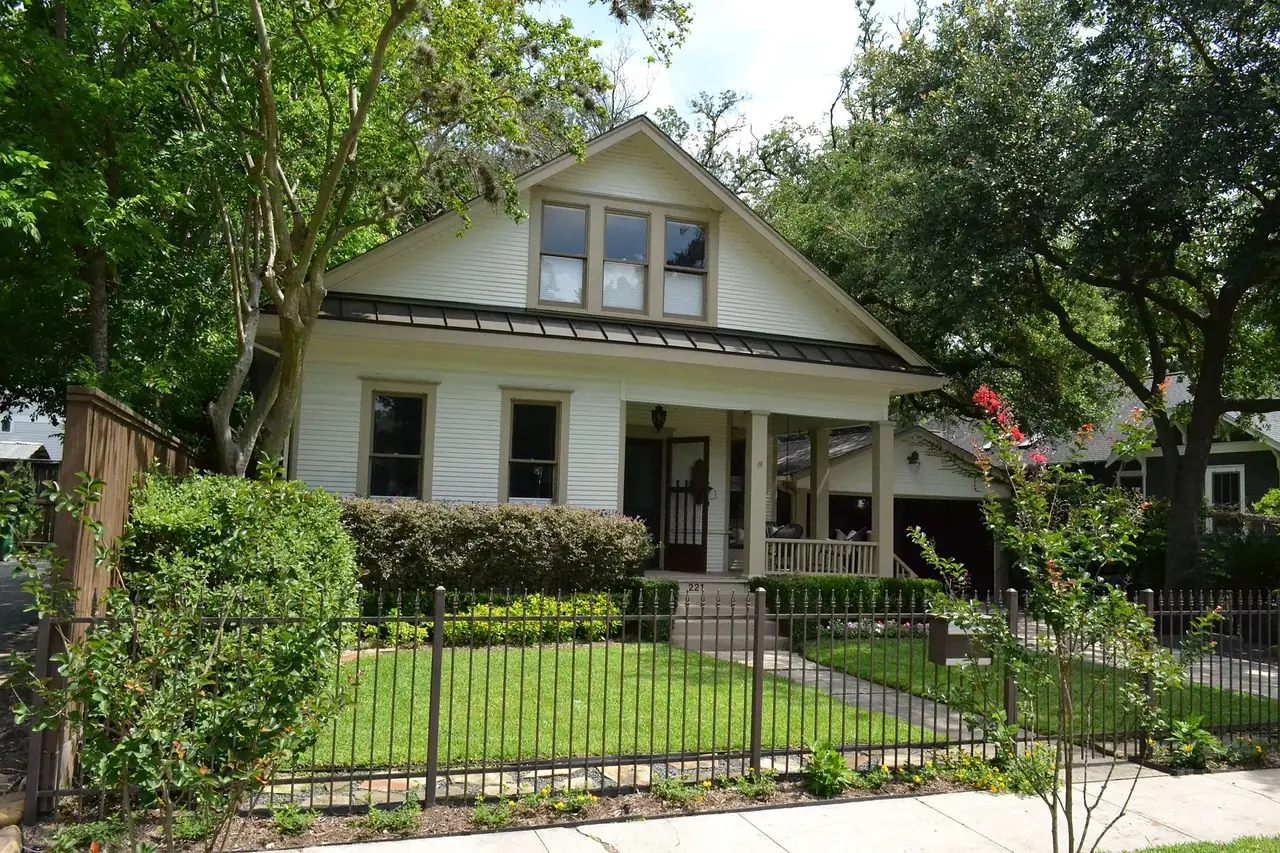

Why Houston eats foundations
If your floors slope toward one corner, a crack is creeping up the brick, or the doors stopped latching in August and started again after the first cold front, you're seeing the most Houston problem there is, and yes, you can still sell the house. The culprit is the dirt. The Gulf Coast sits on expansive clay soil that swells when it's wet and shrinks when it's dry, and our weather whiplashes between the two, a flooding spring, then a drought summer that bakes the ground until it pulls away from the slab. That movement is what cracks foundations here. It's so common that a lot of older Houston homes have had some foundation work, and buyers who grew up here know it.
Knowing that doesn't make the sale automatic, though. Movement scares two groups: regular buyers who picture the house falling down, and their lenders. Most retail buyers are using an FHA or conventional loan, and an appraiser who spots active structural movement can flag it, which freezes the financing until it's repaired. So even a willing buyer often can't close. That's why a foundation house usually sells to one of two people: someone paying cash, or someone with a renovation loan, unless you repair it first.
It also helps to know what kind of foundation you have, because it changes the fix. Most Houston homes built after the 1960s sit on a concrete slab, and those get leveled with pressed or drilled piers. Older homes, especially the bungalows in places like the Heights, are often pier-and-beam, which is usually cheaper to access and shim. A buyer, and any structural engineer they hire, will want to know which one they're dealing with.
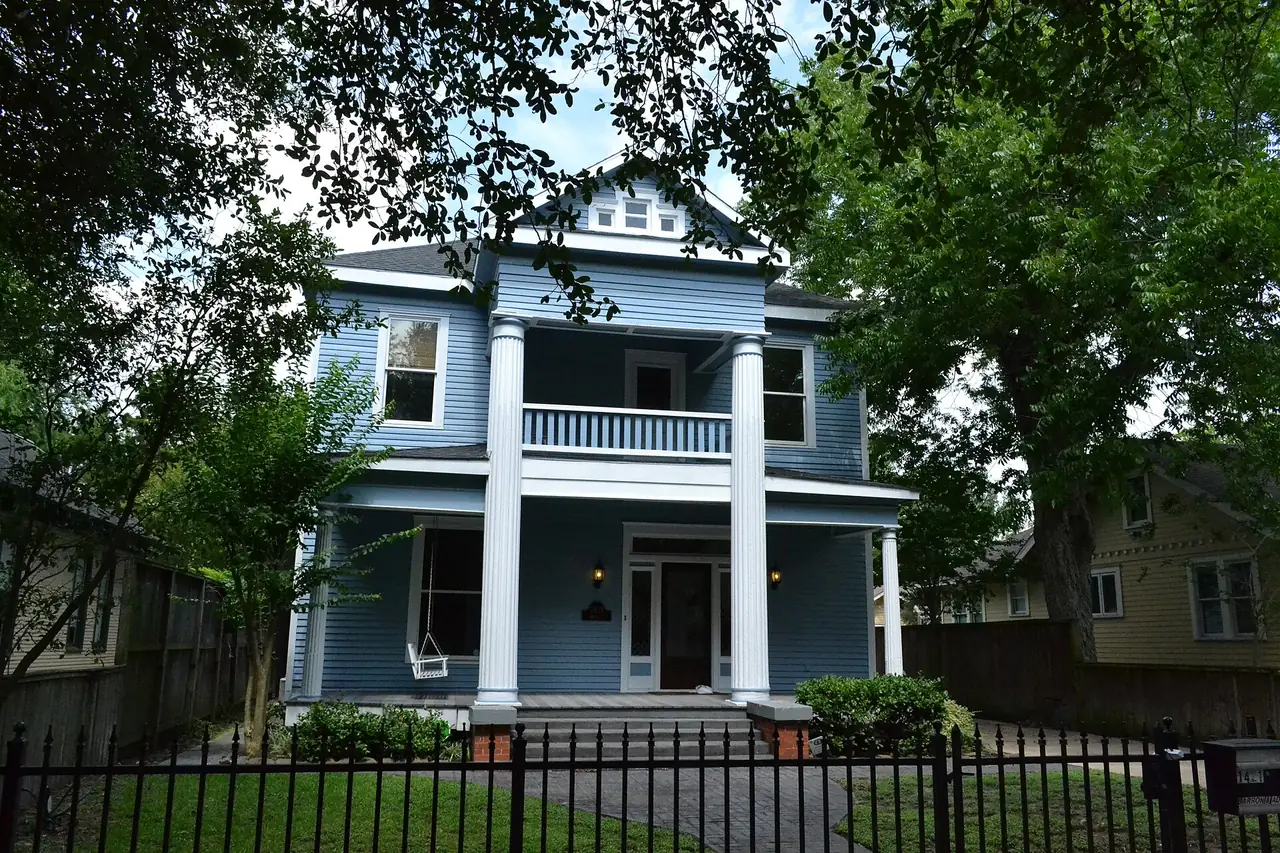
Fix it first, or sell it as it sits
This is the real decision, and there's no universal right answer. It comes down to how bad the movement is, what you'd net each way, and how fast you need out. Here are the honest paths.
Repair it, then list for top dollar. Quotes range from a modest job for a few piers on a corner to several times that for a full perimeter or interior job, and the real number swings with how many piers the engineer calls for, slab versus pier-and-beam, and access. If you fix it, you can list on the open market and reach financed buyers. Two things matter when you do: you must disclose the past foundation work, and you hand the new owner the repair company's warranty, which on most reputable jobs is transferable and lifetime. A clean engineer's letter saying the foundation is now performing makes that listing far easier. List your home, or weigh it with our sell as-is versus repair guide.
List it as-is on the market. You can put it on the MLS and state plainly that it's sold as-is. The catch is the financing wall above, you're mostly fishing for cash buyers or renovation-loan buyers, which is a thinner pool and often a slower sale, with the foundation still discounting every offer. It works best when the movement is minor and well documented.
Sell as-is for cash. The simplest route for a house with real structural damage. A cash buyer or investor doesn't need bank approval, so the foundation can't kill the deal. You skip the repair, the engineer's appointment, and the out-of-pocket, and close on your timeline. Investors generally work back from the after-repair value, roughly 70 to 75 percent of it minus their repair cost, so a bigger foundation fix means a lower offer, but it's a clean exit with nothing out of your pocket. See a cash offer or read about selling as-is in Houston.
Don't assume you have to take a beating just because of a foundation. Sometimes the repair pays for itself and you should do it; sometimes the as-is cash number nets you more once you subtract the repair, the carrying months, and the stress. The point is to compare them with real figures before you decide. Compare multiple offers.

Getting a foundation house ready to sell
A little prep changes how every buyer reacts. Get a structural engineer's evaluation rather than just a free quote from a repair company, an independent engineer's report carries more weight and tells you the actual scope instead of a sales pitch. Gather any old repair receipts, warranties, and prior engineer letters; a documented history reassures buyers far more than a freshly puttied crack. And resist the urge to cosmetically patch and paint over cracks right before listing. Houston buyers and inspectors know the signs, and a patched crack that reopens reads as hiding a problem, which costs you more trust than the crack itself ever would.
What Texas requires you to disclose
The Texas seller's disclosure notice asks directly about known foundation defects, prior structural repairs, and conditions like cracks and settling, and you answer it honestly about what you know. You are not required to repair the foundation before selling, and selling with a known foundation issue as-is is fully legal. If you've had work done, disclose it and pass along the warranty and any engineer's letter. What creates liability is concealing a known defect, not having one. If you're unsure exactly what to disclose, a real estate attorney or your title company can confirm it for your situation.
Frequently Asked Questions
How much does foundation repair cost in Houston?
It varies a lot with the number of piers, the foundation type, and access. A small corner repair with a few piers sits at the affordable end, while a full perimeter or interior pier job costs several times more. The only accurate number comes from a structural engineer who's looked at your specific house, which is why many sellers compare repairing against a cash offer before spending anything.
Can I sell a Houston house with a cracked or sinking foundation?
Yes. Foundation movement is common across the Houston metro, and there's a steady market of cash buyers and investors who buy homes with structural issues. You don't have to repair it or pass a traditional buyer's inspection. They price the foundation work into the offer and close.
Do I have to tell buyers about foundation problems?
Yes. The Texas seller's disclosure notice asks about known foundation defects and prior structural repairs, and you're required to answer honestly about what you know. You don't have to fix it, but you can't hide it. Disclosing the issue, and any repairs and warranties, is what keeps the sale clean.
Is it better to repair the foundation or sell as-is?
It depends on how severe the movement is and your timeline. A documented repair with a transferable warranty opens the house to financed buyers and can net more on a listing. But if the damage is heavy or you need to move fast, an as-is cash sale often nets close to the same once you subtract the repair, the months on market, and the hassle. Compare both with real numbers before deciding.
How fast can I get an offer?
First, a call. Logan or Maxwell will reach out within 24 hours, then send your numbers after reviewing the home. If a cash or investor offer doesn't make sense, we'll show you honestly what a repaired listing could net instead. No obligation either way.
Why a local Houston team matters here
Foundation selling rewards people who know the dirt. We know which neighborhoods sit on the worst-moving clay, which buyers actually close on structural homes versus tying them up and renegotiating, and when a repair genuinely pays for itself versus when it just delays the sale. We're a family-owned Houston company, not an out-of-state call center with one lowball number. Maxwell Buffamante, a licensed Texas REALTOR with eXp Realty, LLC, sits down with you, runs the figures on every path, and lets you choose. Sellers first.