
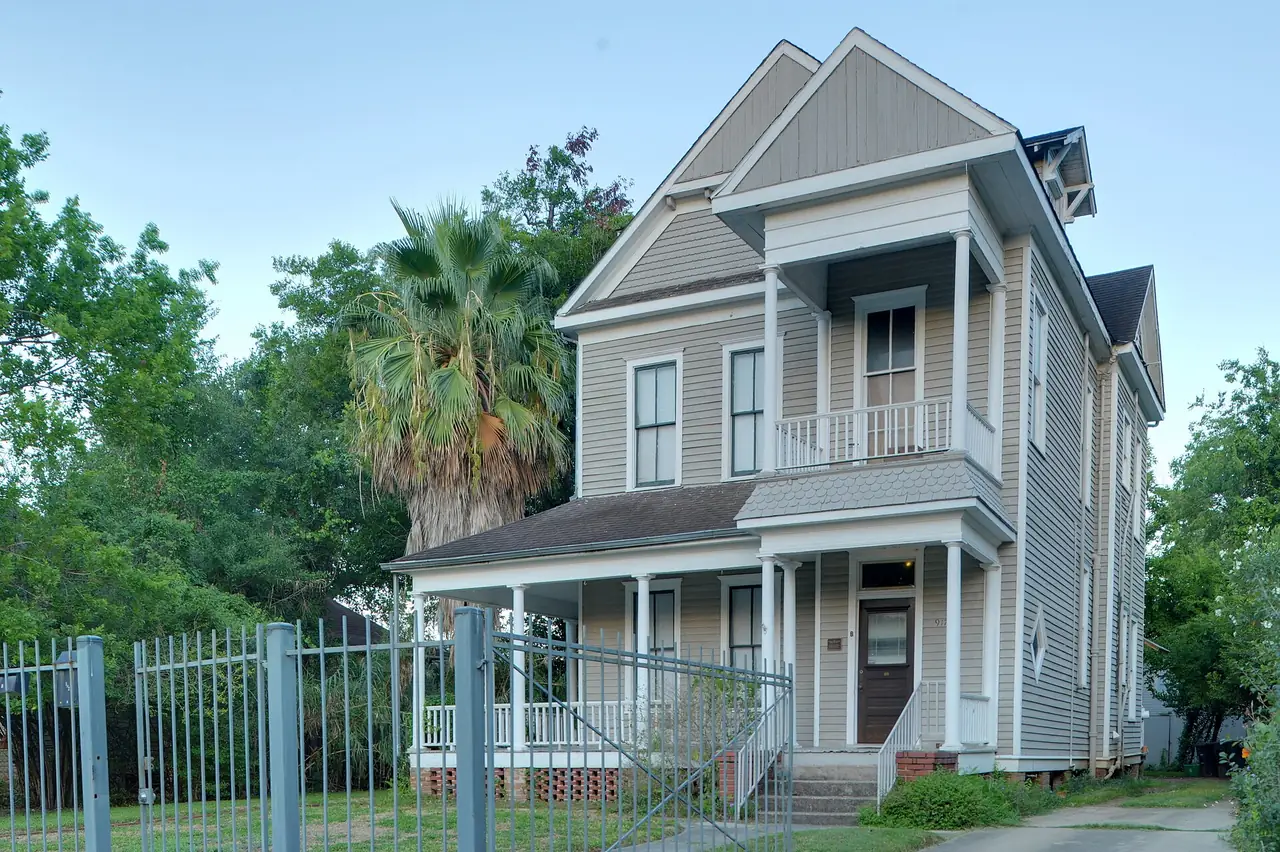

Back taxes don't stop you from selling
This is the part most homeowners don't know: owing back property taxes does not prevent you from selling your home. The unpaid taxes attach to the property as a lien, and at closing that lien gets paid out of the sale proceeds, the same way your mortgage payoff does. The title company handles it. You don't have to clear the balance before you list or before you accept an offer.
Houston's property tax bills run high: between Harris County, the school district, the city or MUD, and other taxing units, a single home can owe several entities at once. Miss a year and the penalties and interest stack up fast, because Texas adds penalty and interest to delinquent taxes starting February 1. So the balance you owe today is usually bigger than the tax itself. The good news is that all of it can be settled in one place: the closing table.

How the taxes get cleared at closing
When you sell, your title company pulls a tax certificate showing exactly what is owed to every taxing unit through the closing date: county, school, city, MUD, and any others. That total comes out of the proceeds before you receive your net. Walk through it like this:
- The sale price pays your mortgage payoff first (if any).
- The delinquent taxes, penalties, and interest are paid next.
- Closing costs come out.
- Whatever is left is your equity, and it's yours.
As long as the home is worth more than the loan plus the taxes plus costs, you walk away with money. If the back taxes are large relative to your equity, that math gets tighter, which is exactly why it pays to know your numbers before you decide anything. A clean payoff of the tax lien is also what lets the buyer take clear title, so settling it at closing isn't just for you. It's what makes the sale work at all.
Check these before you sell
A few things worth confirming so there are no surprises at the table:
- Are you actually delinquent, or is it a billing issue? Pull your account on the Harris County Tax Office site (or your county's) and confirm the real balance and which units are owed.
- Do you qualify for relief you're not using? Texas offers a homestead exemption, and homeowners who are 65 or older or disabled can defer property taxes entirely on a homestead. If a deferral fits your situation, selling may not even be necessary. Talk to the county tax office.
- Is a payment plan an option? Many Texas taxing units offer installment agreements on delinquent taxes. If you want to keep the home, that may beat selling.
- Is there a separate tax suit? If the delinquency is old, the taxing units may have started a foreclosure suit. That adds legal urgency and a different timeline. Our guide on tax delinquency and the tax-sale process covers that.
The county tax office can answer balance and payment-plan questions directly, and a Texas real estate attorney or title company is the right place to sort out a lien or a tax suit. This page is educational, not legal or tax advice.
How SFHS can help, honestly
We're a local, family-owned Houston company. We're not your CPA or your attorney, and if a deferral or a payment plan keeps you in your home, that's the advice we'll give you. But if selling is the move, we make the back-taxes part simple: the title company clears the lien at closing, and you see your real net up front.
We'll put a cash offer, competing investor offers, and a listing side by side so you can compare what each one nets you after the taxes are paid, with no pressure and no obligation. If the delinquency is far enough along that foreclosure is in play, start with our guide on how to stop foreclosure in Houston.
Frequently Asked Questions
Can I sell my Houston house if I owe back property taxes?
Yes. The unpaid taxes are a lien on the property and get paid from the sale proceeds at closing, just like your mortgage. You don't need to pay them off first. As long as the home is worth more than the loan, the taxes, and the closing costs combined, you'll still walk away with your remaining equity.
Who pays the back taxes when I sell, me or the buyer?
They're paid out of your proceeds at closing, so functionally they come off your side of the table before you receive your net. The title company collects a tax certificate, pays each taxing unit through the closing date, and the buyer receives clear title. It all happens in one transaction.
What if I owe more in taxes than my home is worth?
If the taxes plus your loan exceed what the home will sell for, a straight sale may not cover everything. That's when a payment plan with the county, a tax deferral (if you're 65+ or disabled), or a conversation with an attorney about your options makes more sense. We'll run the numbers honestly and tell you if a sale doesn't clear the balance.
Will paying back taxes at closing reduce my offer?
It doesn't reduce the offer itself. It reduces your net, because the taxes come out of the proceeds. The offer is based on the home's value and condition. The point of comparing a cash offer against a listing is to see which one leaves you with the most after the taxes and costs are settled, which is exactly the comparison we'll lay out for you.