
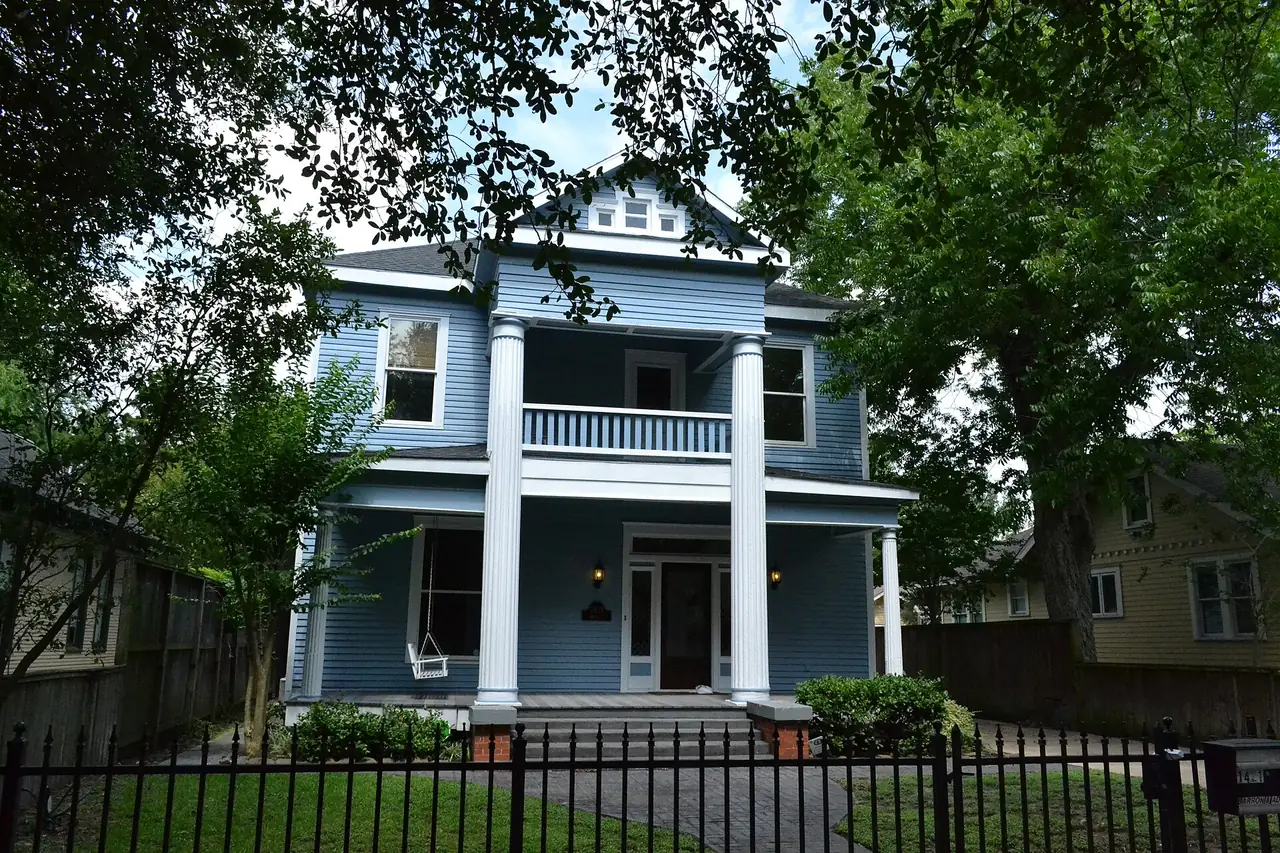

What a cash buyer is really paying for
A cash offer almost always comes in under what a fixed-up house would list for, and that surprises people. But the discount isn't a trick. It pays for the work, the time, the carrying costs, and the risk the buyer takes on by buying your house exactly as it sits today. Once you see the math laid out, the number stops feeling like an insult and starts making sense, even if it's still not the path you choose.
Here's the honest version. A cash buyer, whether that's a local flipper or a bigger investment group, is buying a house they plan to fix and resell. They have to make the renovation pencil out, cover months of holding costs, pay closing costs on both ends, pay an agent to resell it, and still earn enough profit to make the whole gamble worth doing. Every one of those costs gets baked into the offer you see.
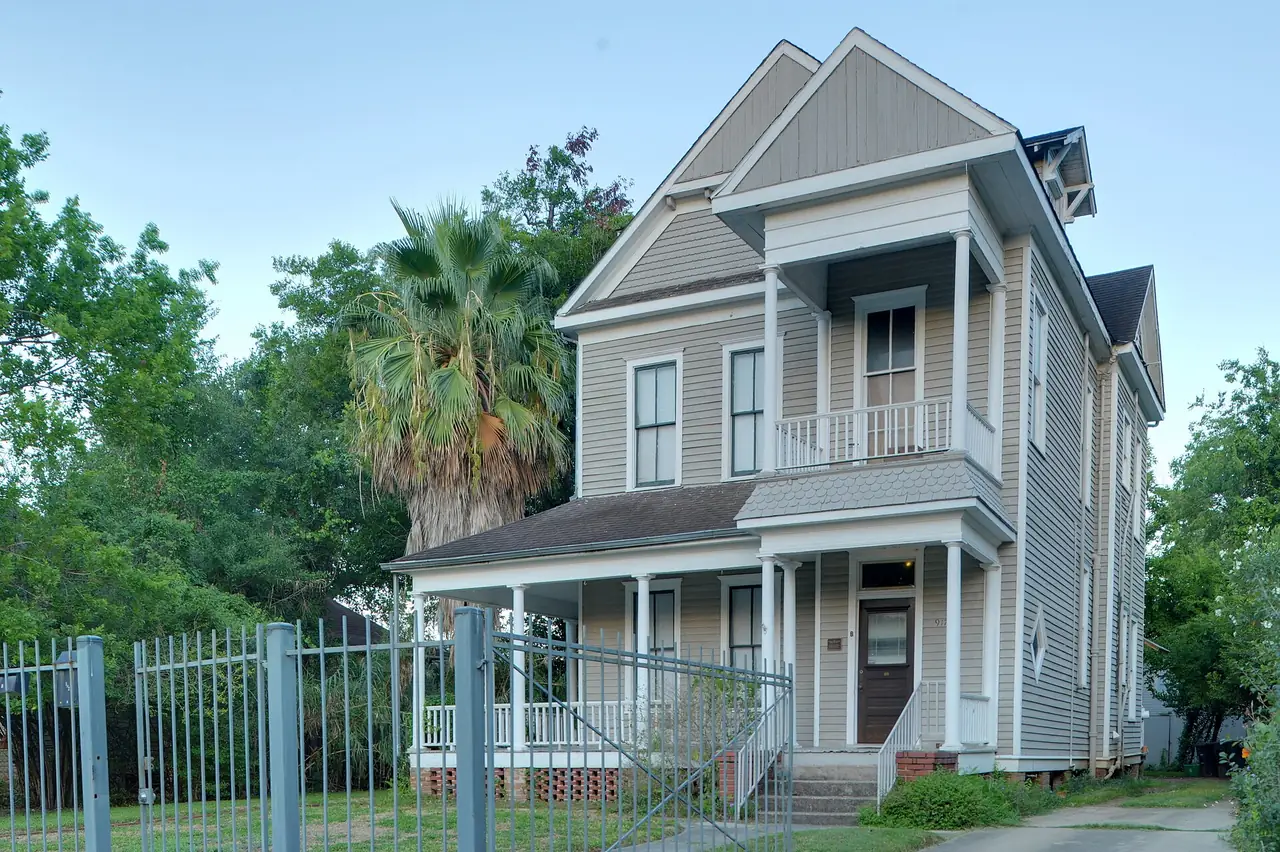
The ARV formula, in plain English
Most serious cash buyers in Houston price off a single anchor number: the After Repair Value, or ARV. That's what your house would realistically sell for after it's fully renovated, based on what comparable updated homes nearby have actually sold for, not what's listed, not a Zestimate, but closed sales.
From there, the rule of thumb most buyers use is some version of this:
- Offer = (ARV x ~70-75%) minus the cost of repairs.
The 70-75% isn't a profit margin. That 25-30% slice has to stretch across a lot: the agent commission and closing costs when they resell, several months of property taxes, insurance, and loan interest while they hold it, a cushion for surprises behind the walls, and the profit that makes the deal worth their time. By the time you back all that out, the actual profit is a smaller piece than people assume.

A worked example (illustrative numbers)
Let's walk a made-up but realistic Houston example. These are round numbers to show the mechanics, not a quote on any specific home. Your real figures shift with the neighborhood, the condition, and the buyer.
Illustrative example only, not an offer. Say a house would be worth around $300,000 fully renovated, based on recent sold comps on the street. It needs about $60,000 in work: dated kitchen and baths, flooring, paint, a roof, some HVAC. A buyer working off the 70% end of the range runs it like this:
- ARV: $300,000
- x 70%: $210,000
- minus repairs ($60,000): $150,000 offer
A buyer comfortable at 75% on a cleaner, faster project might land closer to $165,000. The repair estimate moves the number just as much as the percentage does, which is exactly why two honest cash buyers can look at the same house and land $15,000 to $20,000 apart. Neither one is necessarily lowballing you. They're carrying different repair assumptions, different resale plans, and different overhead.
Why the offers you get vary so much
The same house can draw very different cash numbers, and the spread tells you something. A few of the levers:
- The comps. A buyer who pulls fresh, truly comparable sold homes will price more accurately than one guessing high to win the contract, then chipping away later.
- The repair scope. A local buyer who actually knows Houston labor and material costs estimates tighter than an out-of-area firm padding the budget to protect itself.
- The exit plan. A flipper reselling retail needs more margin than a landlord who plans to hold and rent it, who can sometimes pay more.
- How they make money. A wholesaler who plans to assign your contract to another investor has to leave room for that second buyer's profit too, which usually means a lower number to you.
This is the whole reason we put more than one buyer on a house instead of handing you a single take-it-or-leave-it figure. When buyers know they're competing, the padding comes out. If you want, you can have buyers compete for your home or just see a no-obligation cash offer first to set a floor.
When cash is worth it, and when it isn't
A cash offer is rarely the highest dollar amount on paper. What you're buying with that discount is speed, certainty, and zero work: no repairs, no cleanouts, no showings, no financing that can fall apart at the appraisal, and a close on your timeline. For a house that needs real work, or a seller who needs to be done, that trade is often worth it.
But if your home is in decent shape and you have the time, listing it on the open market will usually net more, even after agent fees. The smart move is to see both numbers side by side before you decide. We'll show you what a cash sale looks like and what a traditional listing could net, and we'll tell you honestly which one wins for your situation. You can also dig into how to tell if a cash offer is actually fair or how cash stacks up against listing.
Frequently Asked Questions
Do cash buyers ever pay full market value in Houston?
Almost never for a house that needs work, and that's by design. The discount covers the renovation, months of holding costs, closing costs on both sides, the resale commission, and the buyer's profit and risk. If your home is move-in ready and you have time, the open market will usually net you more, which is exactly why it's worth comparing both before you sign anything.
What is ARV, and how do I find mine?
ARV is the After Repair Value, what your house would sell for fully renovated, based on recent closed sales of comparable updated homes near you. Sold comps are closed sales, not asking prices or an online estimate. A licensed agent or a local buyer can pull these for you. We're happy to run real Houston comps on your house at no cost so you're working from the true number, not a guess.
Why are the cash offers I'm getting so different from each other?
Usually because the buyers are using different repair estimates, different comps, and different exit plans. A flipper needs more margin than a landlord, and a wholesaler reselling your contract leaves the least. A wide spread is a signal to slow down and compare, not to grab the first number. Getting buyers to compete is the cleanest way to pull the padding out.
Is a higher cash offer always the better deal?
Not always. A slightly higher offer with a long option period, a financing contingency, or an assignment clause can quietly fall apart or get renegotiated lower before closing. A clean, proof-of-funds cash offer that actually closes can beat a bigger number that doesn't. Look at the terms and the certainty, not just the headline figure.
Can you just tell me what my house is worth?
We can get you close, fast. Give us the address and condition and we'll pull real sold comps and walk you through both a likely cash range and what a listing might net, no pressure and no obligation. The goal is to hand you honest numbers so you can make the call that's right for you.